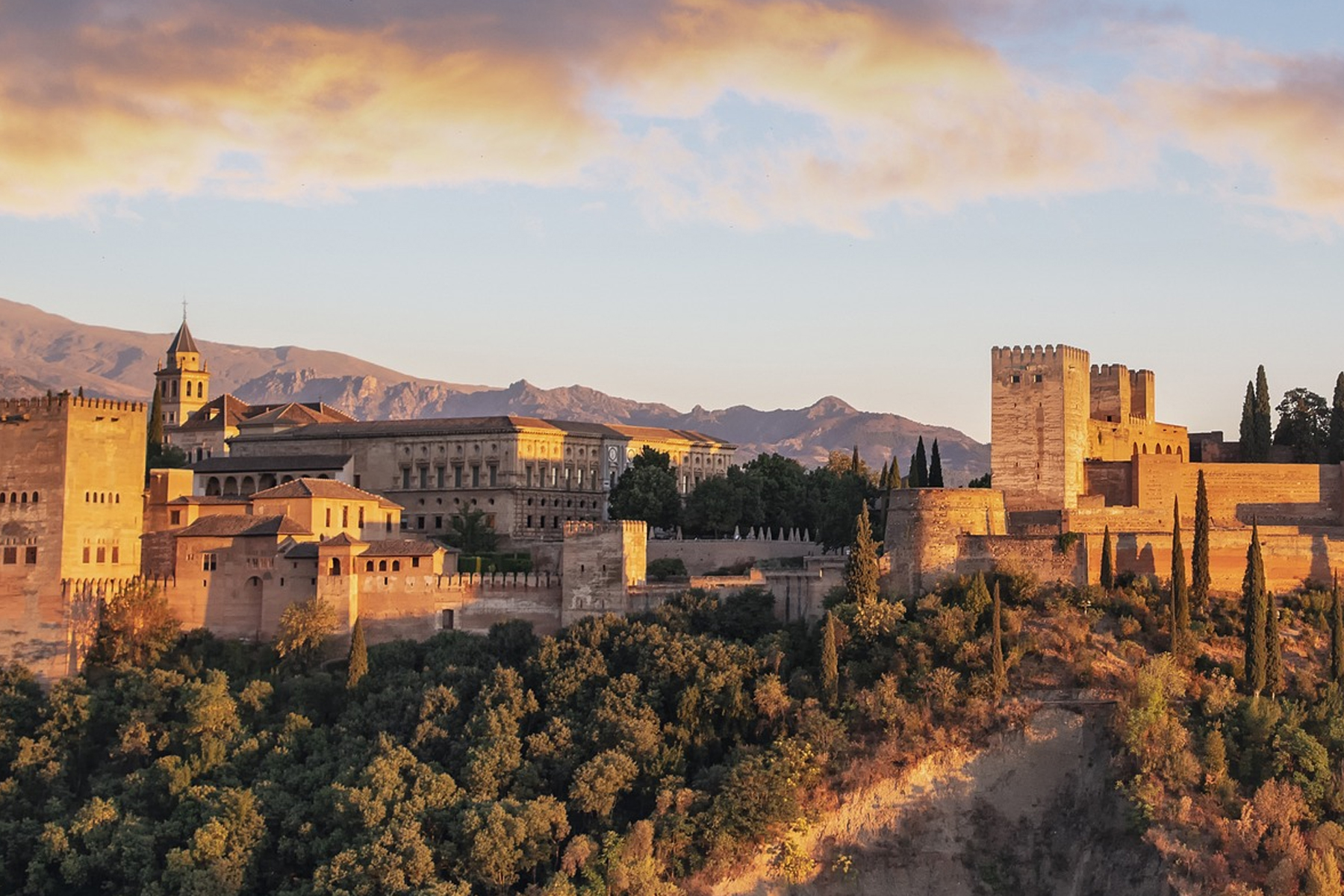
The Alhambra, Granada's architectural jewel, is a symbol of history, culture, and unique beauty. Its impressive architecture and historical significance make it one of the most visited monuments in the world, and an essential treasure for any lover of history and art.
The Origin of the Alhambra:
A Fortress that Defended the Nasrid Kings
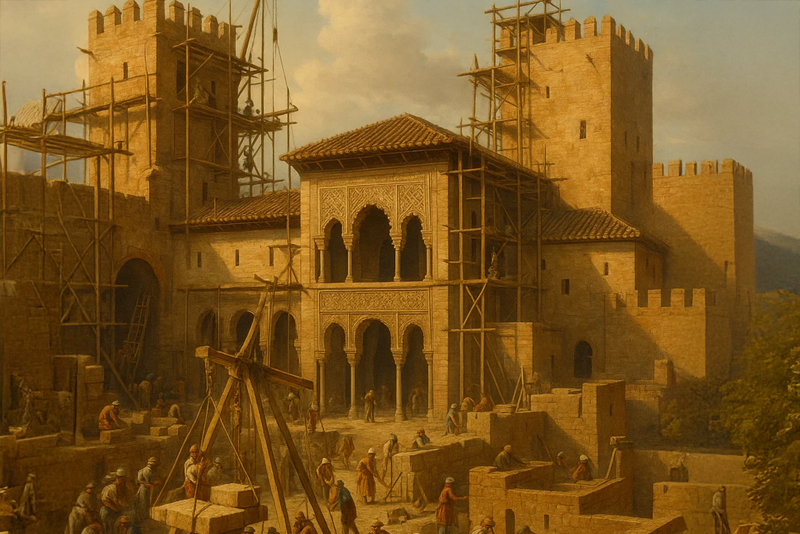

The Alhambra began construction in the 13th century, during the reign of Sultan Muhammad I of the Nasrid dynasty. Originally a military fortress intended to protect the Kingdom of Granada, it eventually became a majestic residence for the Nasrid monarchs. Its name, meaning "the red one" in Arabic, comes from the reddish soil on which it stands, and its terracotta walls reflect the beauty of the surrounding landscape.
The Architecture of the Alhambra: An Exquisite Example of Islamic Architecture
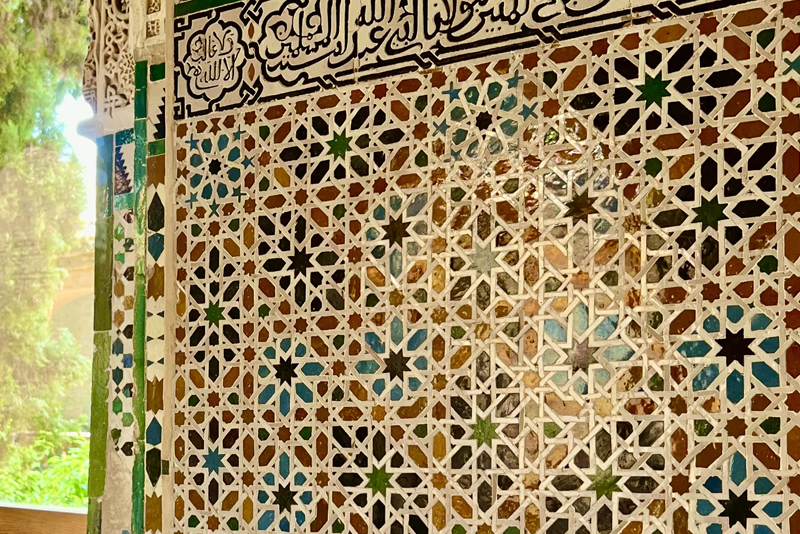
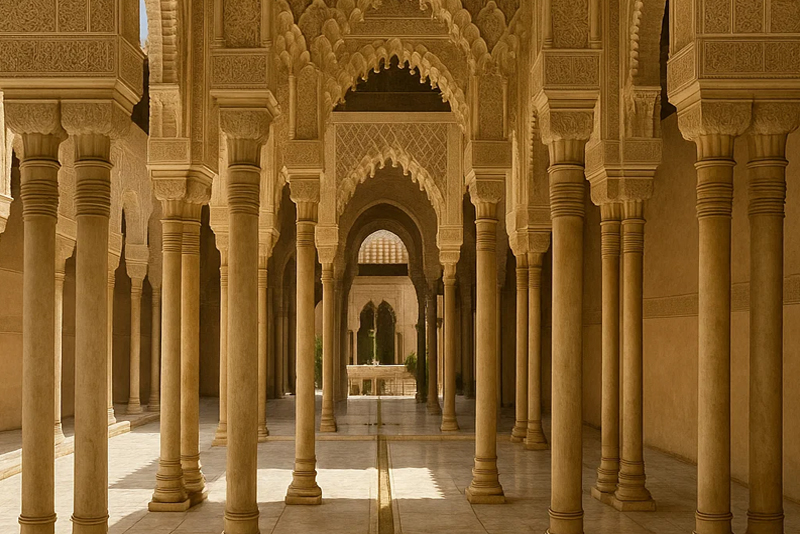
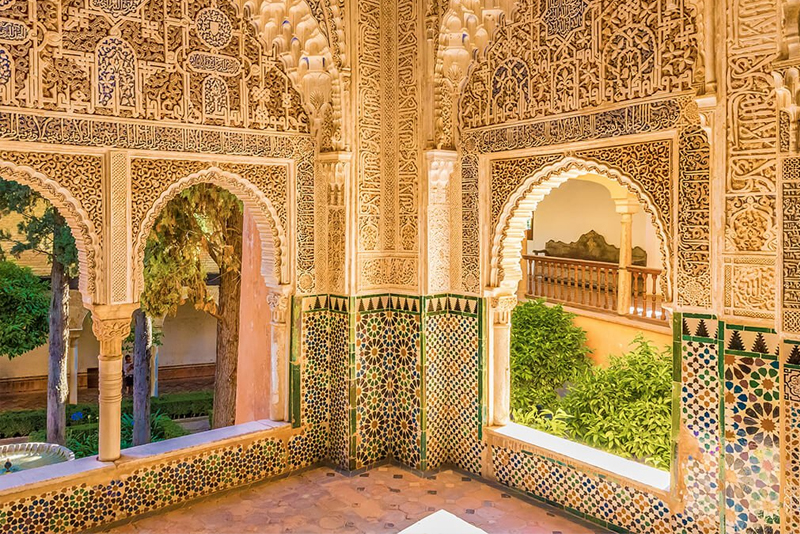
The Alhambra is renowned for its stunning Islamic architecture, which blends influences from medieval Islamic art, the Renaissance, and Moorish traditions. What truly sets the Alhambra apart is the meticulous attention to detail in every corner, from its intricate mosaics to its horseshoe arches and hand-carved columns..
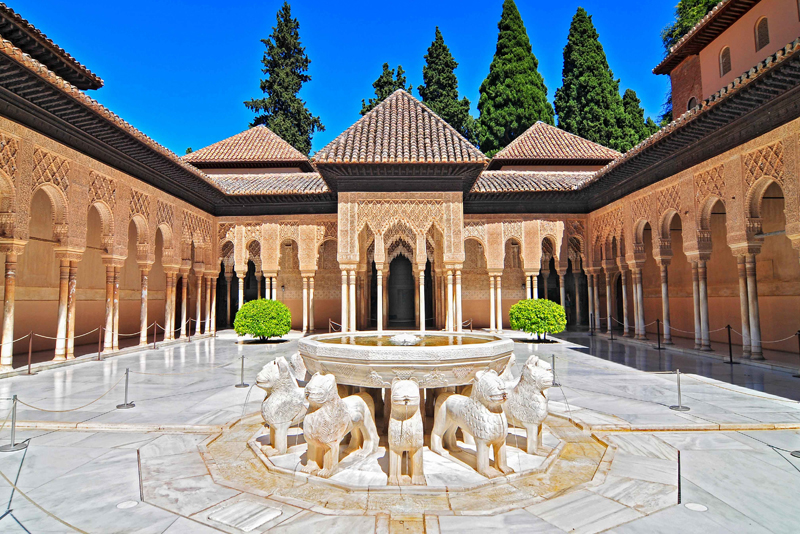
One of the most striking features of the Alhambra is the Court of the Lions, which boasts a central fountain surrounded by twelve marble lions. This courtyard is not only a stunning example of the artistic skill of Muslim craftsmen, but it also carries strong symbolism, representing the justice and balanced harmony that characterized the Nasrid reign.
The Palace of Comares:
The Royal Refuge of the Nasrid Sultans
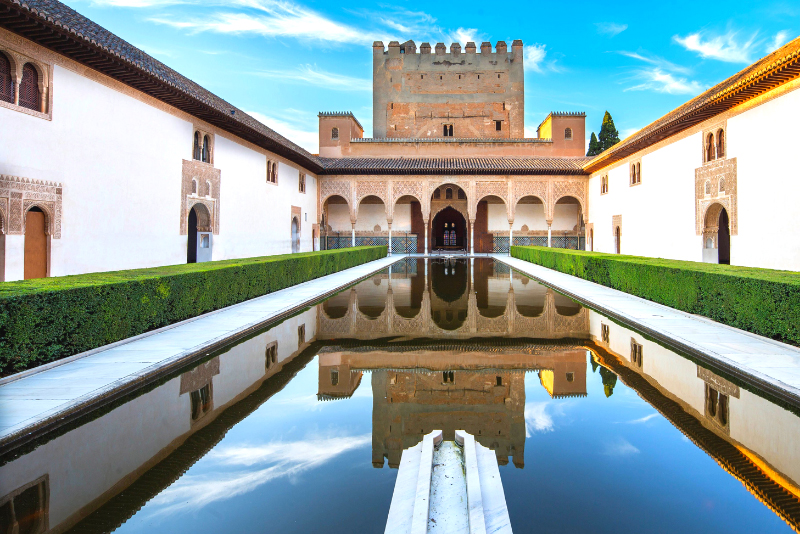
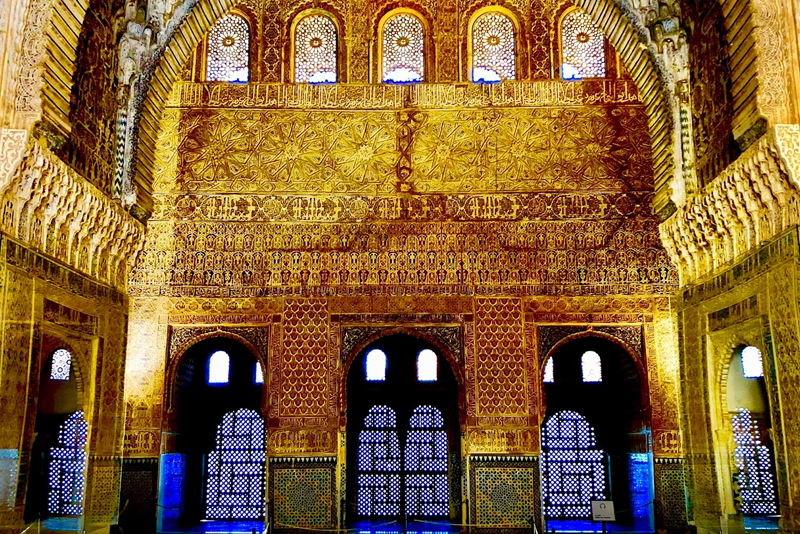
The Comares Palace is one of the main attractions of the Alhambra. This majestic palace was the residence of Sultan Muhammad V, and inside you can find some of the most representative examples of Islamic art and architecture of the period. The Hall of Ambassadors, the palace's main hall, has a carved wooden ceiling depicting the starry skies, which fills visitors with a sense of wonder.
The Generalife:
The Gardens of Paradise
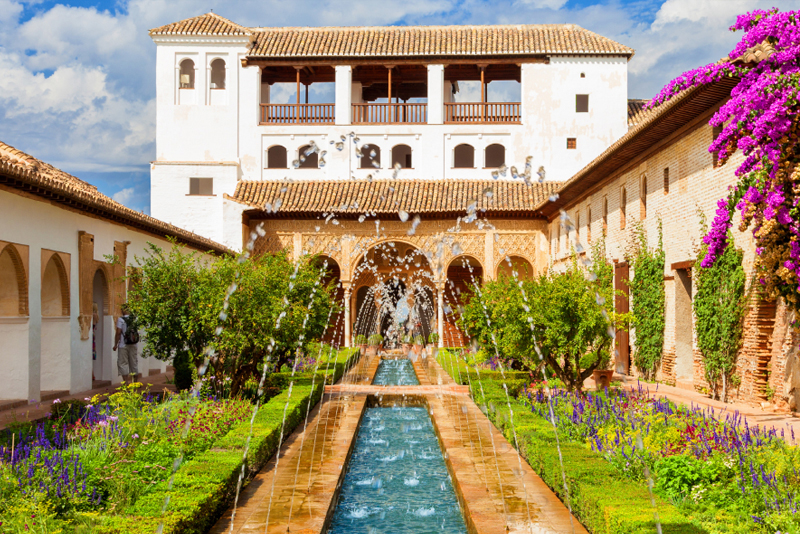
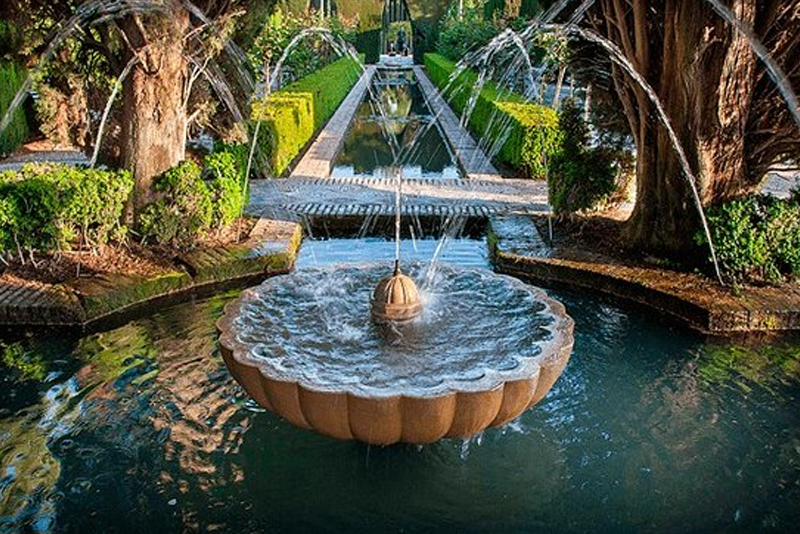
Just steps from the Alhambra are the Generalife Gardens, a royal retreat that served as a place of rest for the monarchs. This garden is an exceptional example of Islamic landscaping, with fountains flowing among terraces covered in flowers and shrubs. The Generalife is a place that invites relaxation, strolling, and meditation, offering spectacular views of the city of Granada and the Sierra Nevada mountains.
The Alhambra After the Reconquista:
Transformation and Conservation


In 1492, after the Reconquista of Granada, the palace underwent several transformations over the following centuries, some of them under Christian influence. The Church of Santa María was built within the palace grounds, and various elements of the Alhambra were modified to adapt to the new Christian architecture.
However, despite the alterations, the Alhambra never lost its splendor or its cultural significance. It was restored in the 19th century and, despite centuries of history, remains one of the best-preserved monuments in Spain.
Visit the Alhambra:
Tips for an Unforgettable Experience
If you're planning a visit to the Alhambra, here are some important tips to help you make the most of your visit:• Purchase tickets in advance:
The Alhambra is one of the most visited places in Spain, so it's advisable to buy your tickets online to avoid long queues.
• Take a guided tour:
Guided tours will allow you to learn about the history and symbolism behind each room, courtyard, and tower.
• Wear comfortable clothes:
The Alhambra has extensive gardens and many hills, so you'll be doing a lot of walking. Be sure to wear comfortable shoes and sunscreen.
• Sunset visit:
The golden light of sunset creates a magical atmosphere, and the views of the Alhambra from the Albaicín are breathtaking.
Conclusion: A Treasure of Humanity
The Alhambra is much more than a monument; it is a testament to the splendor of the Nasrid Empire and a representation of the coexistence of different cultures. Every corner of this palace tells a story of art, wisdom, and power, and visiting the Alhambra is to immerse oneself in a fascinating world of architecture, gardens, and art.If you'd like to explore more about Granada's history and other fascinating destinations, Oripando Hostel is the perfect place to start your adventure. With its prime location in the city center, you'll be just minutes from major tourist attractions, including the Alhambra.